In a nutshell
- 🧪 Enzymes like papain, bromelain, and pumpkin enzymes act as precise proteases that lift dead cells by loosening corneodesmosomes—gentler, more self-limiting smoothing with less redness and sting.
- 🌦️ UK-ready routines: use 1–3x weekly, leverage shower humidity, buffer hard water with a mist, pair with ceramides in winter, and always finish daytime use with SPF; patch testing is non-negotiable.
- ⚖️ Pros vs. Cons: enzymes for steady maintenance, AHA/BHA for dullness/congestion, and retinoids for long-term texture—avoid stacking on the same night to prevent irritation.
- 🛍️ From salons to shelves: clinic protocols use bromelain gels and hydration boosts, while pharmacies offer effective picks under £20; particularly helpful for sensitive and darker skin tones wary of post-inflammatory issues.
- 💡 Real-world wins: smoother makeup, fewer flakes, calmer mornings; follow simple templates (AM enzyme cleanse days, PM short masks), skip heavy fragrance on fragile barriers, and seek advice for eczema or a compromised barrier.
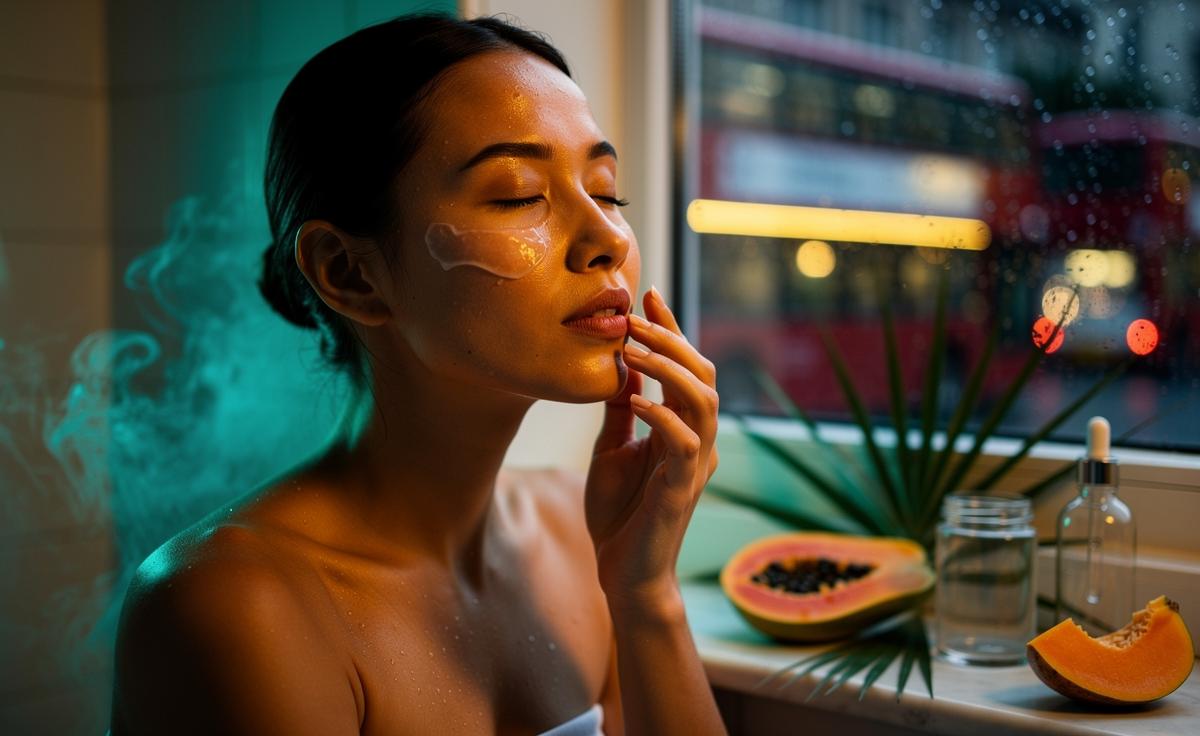
Across the UK, a quiet skincare revolution is unfolding in bathrooms from Belfast to Brighton. Instead of scrubs that scratch or acids that sting, more women are turning to enzymes—nature’s precision tools—for skin that feels velvety without the downtime. These proteolytic powerhouses nibble away at dead cells, revealing a glow that looks less “polished” and more authentically healthy. Busy commuters love the two-minute mask; new mums favour the gentleness; and facialists prize the control. The promise is simple: smoother texture, fewer flakes, less fuss. Here’s how expert enzymes—and the women who use them—are reshaping routines, budgets, and expectations in the quest for reliably smooth skin.
The Science of Enzymes for Smoother Skin
Think of enzymes as tiny, disciplined scissors. Proteases like papain (from papaya) and bromelain (from pineapple) help detach spent cells by breaking down the “glue”—the corneodesmosomes—that hold them at the surface. Unlike many acids, they act on proteins rather than broadly dissolving bonds, which is why they’re often described as gentler and more self-limiting. In practice, that means fewer tingle-induced tears on a Monday morning Northern line train and more consistent smoothness that doesn’t tip into over-exfoliation. Enzymes excel at softening rough patches, easing makeup pilling, and brightening without a red aftermath.
Formulation matters. Stable pH, substrate availability (those dead cells), and contact time shape results. Fruit-pulp “kitchen” hacks can be hit-and-miss; modern British-made formulas pair pumpkin enzymes, keratinase, or subtilisin with humectants like glycerin for slip and hydration. Importantly for hard-water regions—from Kent to Cambridgeshire—enzymes sidestep the mineral-salt irritation sometimes seen with repeated acid use. That said, sensitivity varies: fragranced enzyme masks can still prickle, and compromised barriers may prefer wash-off cleansers over leave-on gels. Patch testing remains a non-negotiable first step before letting any new exfoliant loose on cheeks or around the nose.
- Papain: Gentle smoothing; good for dullness and flaky patches.
- Bromelain: Effective yet often well-tolerated; boosts glow.
- Pumpkin enzymes: Popular in autumn facials; softens uneven texture.
- Keratinase/Subtilisin: Lab-grade precision; frequent in pro formulas.
Smart Routines for British Climates and Lifestyles
Real life in the UK means microclimates: damp Cornish mornings, gusty Scottish afternoons, central-heated London nights. Enzymes adapt well because they’re rinse-off friendly and thrive with steam. A savvy routine often starts with a mild cleanser, followed by a two-to-five-minute enzyme mask in the shower where humidity helps performance. Those in hard water postcodes can reduce tightness by finishing with a spritz of isotonic mist before moisturizer. Less is more—one to three enzyme sessions weekly beats daily zeal, preserving the barrier while keeping texture on an even keel.
During winter, pair your enzyme step with ceramide creams; in high pollen seasons, keep formulas fragrance-light. Makeup wearers find a Friday-night enzyme polish prevents Saturday foundation from catching on micro-flakes. New mums who are time-poor but texture-aware often favour enzyme cleansers: massage, wait a minute, rinse—done. Budget-wise, pharmacy picks from Boots and Superdrug deliver steady results, while clinic-grade options extend contact time for special-occasion sleekness. Always finish daytime use with broad-spectrum SPF; smoother skin reflects light, but also demands consistent protection.
- AM (two days/week): Cleanse → short enzyme cleanse → hydrating serum → SPF.
- PM (one day/week): Cleanse → enzyme mask (2–5 min) → soothing toner → ceramide cream.
- Gym/Swim days: Enzyme cleanser post-session to lift sweat film without stripping.
- Patch test: Apply behind ear for 24–48 hours before first full-face use.
Pros vs. Cons: Enzymes, Acids, and Retinoids
Skincare’s power trio—enzymes, acids (AHA/BHA), and retinoids—each smooth skin, but by different routes. Enzymes act like a valet, removing what’s ready to go; acids like AHA glycolic and lactic dissolve bonds between cells; BHA (salicylic) also dives into oilier pores; retinoids speed cell turnover and deliver long-term textural change. Why “stronger” isn’t always better: if redness, stinging, or micro-peeling follows every use, you’re treating your barrier like a battleground. Many women find enzymes provide enough refinement to make foundation glide while sidestepping the yo-yo cycle of overdo-then-repair.
That said, acids and retinoids have their place. Persistent congestion may need BHA’s oil-soluble talents; photo-aged texture often responds to a measured retinoid plan. The tactic many British facialists recommend: let enzymes handle regular maintenance, then layer in targeted acid or retinoid nights—never on the same evening as your enzyme session—to avoid compounding irritation. The most effective routine is the one you can keep through late trains, cold snaps, and busy weeks.
| Method | Main Action | Ideal Frequency | Common Irritants | Best For |
|---|---|---|---|---|
| Enzymes | Protein-cleaving; lifts dead cells | 1–3x weekly | Fragrance, overuse | Sensitive, dry, makeup-prone flaking |
| AHA/BHA | Chemical bond dissolution (+ pore action for BHA) | 1–4x weekly | Low pH sting, dryness | Dullness, congestion, uneven tone |
| Retinoids | Speeds turnover; long-term smoothing | 2–5x weekly (build up) | Peeling, initial sensitivity | Texture, fine lines, clarity goals |
From Salons to Shelves: Stories From Across the UK
On a drizzly Thursday in Manchester, Jaya, 33, swaps her scrub for a pumpkin enzyme mask once a week. “It’s the first time my winter makeup hasn’t gathered on dry bits,” she laughs, noting that the steam from her evening shower seems to “switch it on.” In Edinburgh, Ailsa, 47, pairs a fragrance-free enzyme cleanser with oat moisturizer: “My cheeks flush easily—enzymes keep things smooth without the roulette of acid nights.” And in East London, facialist Mariam uses a two-step protocol: a short bromelain gel under a compress, followed by a hyaluronic sheet. Clients leave gleaming, not glowing-and-raw.
Retailers report the same trend every January: a push toward “reset” routines that rebuild trust with the skin barrier. Enzymes fit that brief, particularly in regions with hard water where compounding irritation is common. A newsroom sampling across pharmacy aisles shows strong options under £20, while clinic boutiques stock longer-wear pro formulas for big-event polish. For darker skin tones wary of post-inflammatory drama, practitioners highlight enzymes’ measured touch as a reason to start here. The most telling feedback isn’t viral shimmer—it’s fewer flaky corners and calmer mornings.
- Who benefits first: Makeup lovers, sensitive types, cold-weather commuters.
- What to skip: Doubling enzymes with acids the same night; heavy fragrance when barrier is fragile.
- When to seek advice: Active eczema, cracked barrier, or repeated stinging even after patch testing.
Enzymes aren’t a fad; they’re a reframe—precision over punishment. By letting papain, bromelain, and lab-stable proteases remove only what’s ready, UK women are finding smoother skin that stands up to rain, radiators, and relentless schedules. Consistency beats intensity, and the best polish is the one you barely notice because your base simply sits right. As pharmacy shelves expand and salons refine protocols, the question turns to you: where could a measured enzyme step—woven into your week, not warring with it—slot in to make your skin reliably smooth on even the busiest British morning?
Did you like it?4.4/5 (30)