In a nutshell
- 🌦️ The UK’s variable weather disrupts the skin barrier; rapid humidity/temperature flips, pollution, and hard water collectively fuel breakouts.
- 🧪 Evidence‑based actives that work: salicylic acid, benzoyl peroxide, retinoids, niacinamide, and azelaic acid—add one at a time and pair with daily SPF 30–50.
- 🧭 Routine architecture: flexible, weather‑responsive steps—gentle cleanser, targeted treatment, ceramide moisturiser in radiator season, gel textures for humidity, and double‑cleanse on high‑pollution days.
- 🏠 Lifestyle levers: moderate high‑GI foods and some dairy, manage cortisol, address housing quirks like limescale, and keep pillowcases, masks, and phones clean.
- 📈 Practical strategy: keep a two‑line diary for triggers, prioritise consistency over intensity, and seek a GP review for scarring or persistent cystic acne.
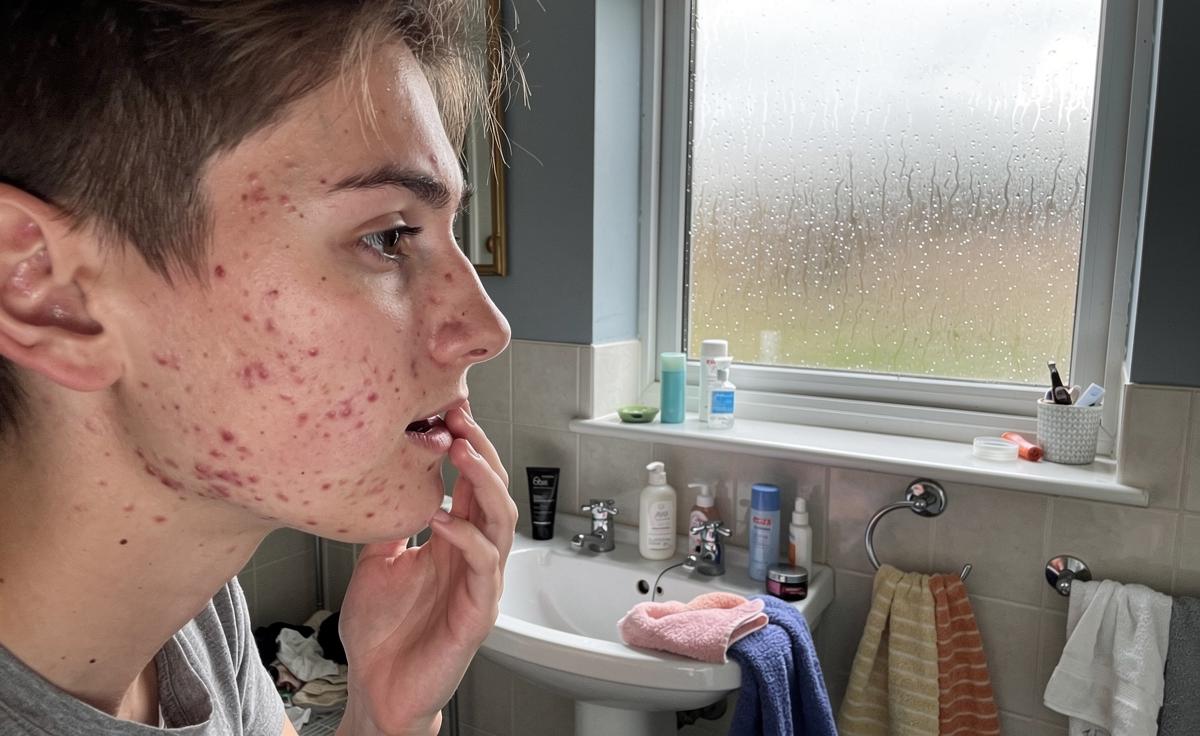
Britain’s weather rarely stays still, and neither do our complexions. Between stop‑start drizzle, central heating, and surprising bursts of UV, breakouts can feel like an uninvited plus‑one to daily life. As a UK journalist who routinely tests launches from Boots to boutique formulators, I’ve learned that context—climate, water quality, commute, even housing—often decides whether a routine succeeds. The good news: acne isn’t a moral failing; it’s a manageable skin condition. This Skincare SOS blends first‑hand reporting, dermatologist‑approved frameworks, and reader case notes to decode what actually calms congestion here. From salicylic acid to hard water hacks, consider this your clear‑skin survival kit tailored to the UK’s topsy‑turvy climate.
How the British Climate Fuels Breakouts
Our isles are a patchwork of microclimates: coastal damp, urban pollution traps, and crisp, heating‑blasted flats. These swings disrupt the skin barrier. Cold wind plus indoor radiators sap moisture, nudging sebaceous glands to overproduce oil. Then comes a sudden warm spell or a packed Tube ride—sweat and sebum mix, pores swell, and P. acnes (C. acnes) finds an opportunity. Acne often worsens not during the coldest snaps, but during rapid humidity and temperature flips.
City living adds its own accelerant. Fine particulates stick to sunscreen and makeup, creating a film that oxidises oil and aggravates blackheads. Meanwhile, hard water across swathes of England deposits calcium and magnesium on skin, interfering with surfactants in cleansers and leaving a residue that can clog in the T‑zone. A Manchester commuter I interviewed tracked flare‑ups to rainy weeks with aggressive indoor heating at the office; switching to a gentle, low‑pH cleanser and a ceramide‑rich moisturiser steadied her barrier, making the same weather far less provocative.
Seasonality matters too. Late spring’s pollen, summer festivals, and winter scarves together create friction, sweat, and occlusion. It’s not just “oily skin”—it’s oily skin responding to British life. That reframing unlocks smarter, more forgiving routines.
Cleansers, Actives, and What Actually Works
The UK high street offers an army of acne fighters—some brilliant, some bluster. Start with a gentle, sulfate‑free cleanser (pH ~5–6) to avoid over‑stripping; then deploy proven actives with patience. Salicylic acid (0.5–2%) clears inside pores, benzoyl peroxide (2.5–5%) reduces bacteria and inflammation, niacinamide (4–5%) calms redness and oil, and azelaic acid (10%) tackles both acne and post‑inflammatory marks. Retinoids remain gold‑standard: consider adapalene (pharmacy) or cosmetic retinoids at low strength first. Introduce one active at a time for at least two weeks.
- Pros vs. Cons: Salicylic Acid — Pros: decongests, gentle for daily use. Cons: can be drying in radiator season.
- Pros vs. Cons: Benzoyl Peroxide — Pros: fast on inflamed spots. Cons: bleaching on fabrics; potential irritation.
- Pros vs. Cons: Retinoids — Pros: long‑term texture wins. Cons: photosensitivity; requires slow build.
- Pros vs. Cons: Azelaic Acid — Pros: multi‑tasker for redness and marks. Cons: tingling on first uses.
Application beats aspiration. Use a pea‑sized retinoid for the whole face at night, buffer with moisturizer, and SPF 30–50 daily. Spot treat with benzoyl peroxide; don’t smear it everywhere. Skin purging is real with retinoids and acids, but new deep cysts after six weeks may signal irritation, not progress. If acne is severe or scarring, speak to your GP; NHS pathways can fast‑track you to prescription care. Finally, beware the “more is more” trap—layering four actives won’t outrun British humidity, but a calmer barrier often will.
Routine Architecture for Real Life in the UK
Routines fail when they ignore the day’s weather and your commute. Build a core scaffold, then flex. Think: consistent base, tactical tweaks.
| Step | Purpose | UK‑Specific Tip |
|---|---|---|
| AM Cleanser | Refresh without stripping | Use lukewarm water; in hard‑water areas, finish with a pH‑balanced toner. |
| Treatment | Control oil/bumps | Niacinamide on humid days; salicylic acid on congested T‑zones. |
| Moisturiser | Reinforce barrier | Gel‑cream for muggy commutes; cream with ceramides during radiator season. |
| SPF 30–50 | UV protection | Even when overcast; choose non‑comedogenic textures that resist sweat. |
| PM Cleanser | Remove SPF/pollution | Consider an oil cleanser then gentle wash to lift particulates. |
- Commuters/Cyclists: Keep travel minis: mist + blotting paper + SPF stick. Reapply sunscreen after sweaty rides.
- Gym‑Goers: Rinse sweat promptly; a 0.5–1% salicylic body wash helps for bacne.
- Makeup Wearers: Choose breathable, non‑occlusive bases; prioritise removal over more coverage.
Retinoids belong at night, two to four times a week to start. On harsh, windy days, swap actives for a barrier‑repair night: cleanser, rich moisturiser, and petrolatum around the nose/chin as slugging “zones” (not whole‑face for acne‑prone skin). Weather‑responsive minimalism beats maximalist guessing every time.
Lifestyle Levers: Diet, Stress, and Housing
Skincare is 70% what you apply—and 30% how you live. High‑glycaemic surges (white bread, sugary drinks) and some dairy proteins can stoke acne in susceptible people; experiment with swaps like oats, sourdough, and plant milks for six weeks. Night shifts and exam seasons spike cortisol, which bumps oil output; short, consistent wind‑downs beat long, erratic lie‑ins. Good skin hygiene includes mental hygiene.
Housing quirks matter. In rental flats with limescale, a shower filter can soften water exposure; at the sink, finish with a leave‑on hydrating toner to offset mineral film. Change pillowcases twice weekly; wash scarves and reusable masks frequently; clean phone screens. A Glasgow student I followed cut whey protein, added 10% azelaic acid nights, and swapped to a gel moisturiser—her cystic flares halved within two months during a wet, windy term. Small, boring changes compound faster than heroic overhauls.
- Why “Natural” Isn’t Always Better: Essential oils can irritate compromised barriers; fragrance‑free beats “greenwashed” for acne.
- Why Stronger Isn’t Smarter: 2.5% benzoyl peroxide often matches 10% with fewer side‑effects.
- When to Escalate: Scarring, widespread cysts, or distress warrant GP review; prescription retinoids or antibiotics may be appropriate.
Breakouts in Britain aren’t a character flaw—they’re a climate story you can edit. Calibrate the barrier, choose evidence‑based actives, and flex for weather, water, and workload. Keep a two‑line diary—products used and conditions (humid, heated office, cycle commute)—to spot patterns faster than guesswork. Above all, consistency outperforms intensity; most routines need six to eight weeks to show their hand. Which lever will you pull first this month: actives, routine architecture, or lifestyle tweaks—and what will your diary reveal about your skin’s British rhythm?
Did you like it?4.5/5 (22)