In a nutshell
- 🧴 Embrace barrier-first skin minimalism with ceramides, niacinamide, and daily SPF; expect calmer skin and better makeup wear, but remember “more actives” isn’t always better and results can be slower.
- 🌿 Turn to British botanicals—Cornish seaweed, rosehip, elderflower, and upcycled apple—for potent, local efficacy; prioritise INCI transparency, sustainable harvesting, and stable extraction methods.
- 🤖 Upgrade with tech-enabled beauty: AI shade-matching for undertone accuracy and at-home LED/microcurrent devices; look for validated specs, keep sessions short, and remember consistency beats wattage.
- 💄 Celebrate inclusive glamour with wider shade ranges, gender-fluid looks, and lip oils; pair with texture-first haircare—chelating in hard-water areas, balanced protein-moisture routines, and scalp-first maintenance.
- 🛒 Shop smarter: slow, evidence-led purchasing, refillable/amber packaging, and routine mapping by lifestyle and climate; aim for efficacy with empathy and a regimen you can sustain year-round.
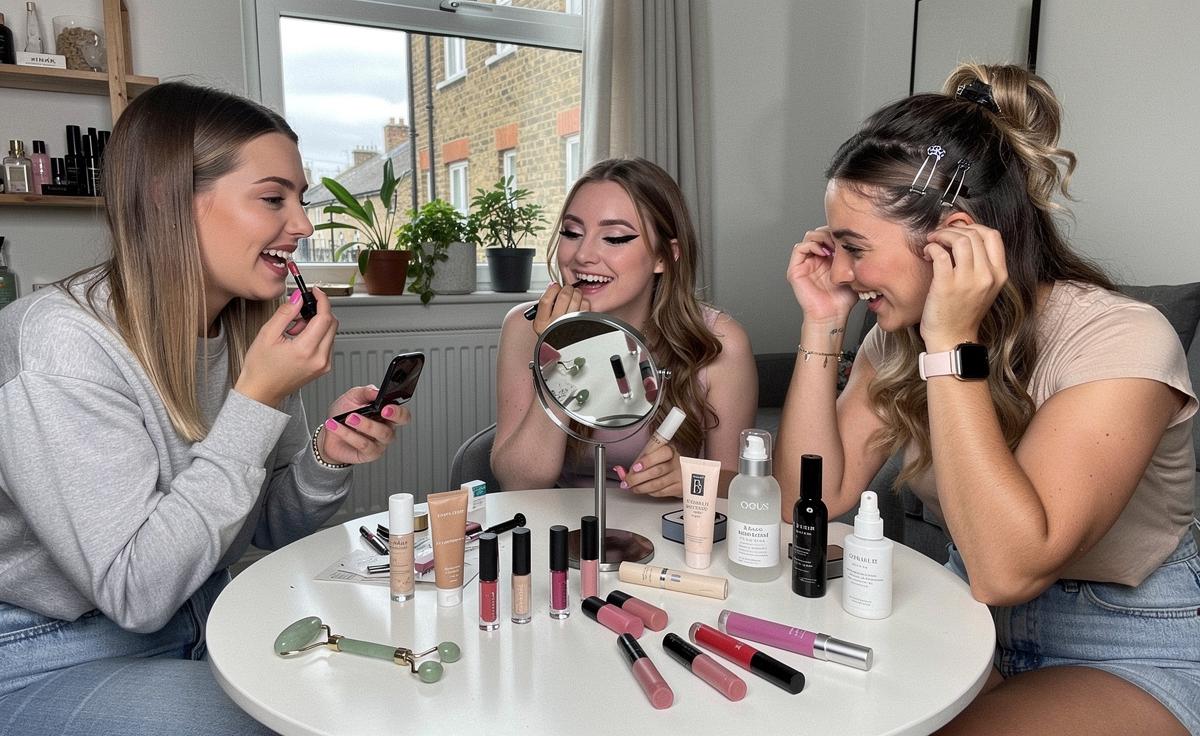
From bathroom shelves in Bristol to backstage at London Fashion Week, UK beauty is rewriting the rules with a focus on performance, inclusivity, and planet-positive intent. This year’s standouts blend dermatology-grade science, homegrown botanicals, and tech-enabled precision—without abandoning joy or artistry. You’ll see smarter formulas that respect the skin barrier, devices that rival clinic results, and colour stories that embrace every tone and texture. The throughline is simple: efficacy with empathy. As a reporter who road-tests launches and speaks to founders weekly, I’ve distilled the movements that matter now—what to try, what to skip, and how to shop wisely in a crowded market.
Skin Minimalism Meets Science: Barrier-First Routines
The pendulum has swung from 12-step maximalism to barrier-first simplicity, powered by ingredients like ceramides, niacinamide, and cholesterol. In a country where hard water, central heating, and blustery weather conspire against the acid mantle, UK consumers are embracing fewer products with smarter concentrations. Pharmacies from Aberdeen to Plymouth report growing interest in fragrance-free, dermatologist-formulated lines, and makeup artists are prepping skin with a single serum-moisturiser hybrid before base. Less can genuinely deliver more when formulations are well-designed and layered with intent. The new minimalism isn’t austere; it’s targeted—slotting an exfoliant just twice weekly, then buffering with lipids to keep glow without micro-injury.
I spent a week shadowing a West End facialist who swapped clients’ aggressive peels for gentle PHA toners and an SPF-first daytime routine. Breakouts calmed, redness dialled down, and—crucially—makeup sat better under theatre lights. Still, restraint has rules. “Skinimalism” fails when people under-hydrate or mix too many actives at once. A quick decision guide:
- Pros: Fewer steps, lower cost-per-use, stronger barrier, steadier makeup wear.
- Cons: Slower results; requires patience and consistent SPF; not a cure-all for hormonal acne.
- Why ‘more actives’ isn’t always better: Layering high-strength acids and retinoids can spike irritation and compromise your barrier.
British Botanicals and Local Sourcing
From Cornish seaweed to Scottish heather and upcycled apple peel from Herefordshire presses, UK-grown botanicals are having a renaissance. This isn’t nostalgia; it’s supply-chain pragmatism and terroir-led efficacy. Coastal algae deliver polysaccharides that lock in hydration, while hedgerow heroes—elderflower, nettle, rosehip—provide antioxidants mapped to Britain’s temperate climate. Indie formulators are co-developing extracts with farmers, shortening transport miles and improving traceability. When ingredients travel less, freshness and potency can travel more. The most credible launches pair these naturals with stabilised actives (think vitamin C derivatives) and disclose harvest windows. Bonus: packaging skews refillable, with amber glass and aluminium to protect bioactives from light and air.
On a visit to a small Yorkshire lab, a chemist showed me trials comparing imported aloe with locally cultivated sea buckthorn—hydration markers were comparable at lower concentrations, thanks to synergistic flavonoids. For shoppers, the key is documentation: look for INCI transparency, extraction method (cold-pressed, CO2), and batch codes. Below, a snapshot for quick reference.
| Ingredient | Primary Benefit | Typical UK Source Region | Watch-Out |
|---|---|---|---|
| Cornish Seaweed | Hydration, soothing polysaccharides | Cornwall coastline | Check for sustainable harvesting certifications |
| Rosehip Oil | Barrier support, brightening | Yorkshire & Borders | Prefer cold-pressed; store away from heat/light |
| Elderflower | Antioxidant, calming | Southern England hedgerows | Allergy test if pollen-sensitive |
| Upcycled Apple Extract | Gentle AHAs, glow | Herefordshire orchards | Avoid over-exfoliation with other acids |
Tech-Enabled Beauty: AI Shade-Matching and At-Home Devices
Virtual try-on has matured, and AI shade-matching is quietly solving one of the UK market’s biggest pain points: undertone confusion in mixed lighting. Retail counters and apps now calibrate against daylight profiles, recommending foundation-concealer duos rather than a single “perfect” shade. The win is fewer returns and a truer match across seasons. Meanwhile, at-home tools—LED masks, microcurrent, and ultrasonic cleansers—are moving from gimmick to routine. Look for clear wavelengths (e.g., 630–660 nm for red LED), medical device registration where applicable, and session times under 15 minutes. Pair devices with occlusive-light serums to enhance glide without clogging.
Not all tech is created equal. A Manchester reader told me her pricey microcurrent gathered dust; a compact, lower-intensity wand used daily worked better. Consistency beats wattage for most home routines. Before tapping “buy,” use this quick filter:
- Smart buys: LED masks with published irradiance; microcurrent with adjustable intensity; apps that export your shade profile for future brands.
- Overhyped: Bluetooth for the sake of it; opaque “AI” claims without validation; oversized tools that discourage daily use.
- Safety first: Patch test conductive gels; avoid LED if photosensitive; follow cycle limits to prevent barrier stress.
Inclusive Glamour and Texture-First Haircare
British beauty counters are finally mirroring Britain. Expect broader shade ranges with nuanced undertones, gender-fluid looks from glossy lids to soft-contoured cheeks, and a swing toward lip oils that blend skincare with colour. Editorial shoots I’ve attended in Shoreditch blend “soft goth” liner with healthy skin: think diffused wing, balmy cheeks, and SPF-forward bases. Glamour is no longer a mask—it’s a conversation with your skin. Artists are also embracing adaptive routines for neurodiverse clients (quiet rooms, sensory-safe textures), a small but meaningful shift that turns inclusivity into practice rather than copy.
Haircare is getting its own reset. Curly, coily, and wavy communities are prioritising texture-first education: chelating shampoos to tackle hard-water minerals, protein-moisture balancing, and satin accessories to reduce friction. A Birmingham stylist I met now books “routine mapping” sessions, charting porosity and lifestyle (gym, hijab, outdoor shifts) before recommending products. Try these field-tested tips:
- Waves: Lightweight gels; micro-plop with a T‑shirt to keep volume.
- Curls: Cream-gel layering; diffuse on low heat; quarterly trim for spring-back.
- Coils: Pre-poo with ceramide oils; gentle detangle; protective styles with scalp tonics.
Healthy scalp equals better style longevity, whatever your texture. Finish with a mineral-filtering shower head if your postcode’s water is hard, and schedule an annual clarifying reset when central heating season peaks.
British beauty in 2026 is pragmatic, playful, and proudly local: evidence-led skincare, botanicals with provenance, devices that earn their plug, and artistry that welcomes every face. Shop slower, prioritise transparency, and let your routine flex with weather, hormones, and budget. Your best regimen is the one you can keep doing on a rainy Tuesday. What trend will you test first—barrier-first simplicity, a British-grown active, a smarter shade match, or a texture-first hair ritual—and how will you make it your own?
Did you like it?4.6/5 (25)