In a nutshell
- 🌦️ Retinol tackles UK-specific challenges—year-round UVA, pollution, and indoor heating—by boosting collagen, speeding turnover, and evening tone, with daily SPF as a must.
- 🧪 Understand forms and strengths: retinol, retinal, HPR, and prescriptions like tretinoin/adapalene; more isn’t always better—tolerance and consistency win.
- 🧱 Build a smart routine: start low (e.g., 0.1–0.3% retinol), patch test, use the “sandwich” method with ceramides, and apply high-star UVA/SPF every morning.
- ⚖️ Pros vs. cons: smoother texture, refined pores, and firmer look vs. potential irritation and photosensitivity; myths busted—retinol doesn’t thin skin long-term and can be used in summer with SPF.
- 🌍 Inclusive, evidence-led approach: effective across skin tones and UK climates; pair with niacinamide and barrier support to minimise PIH; prioritise progress over potency.
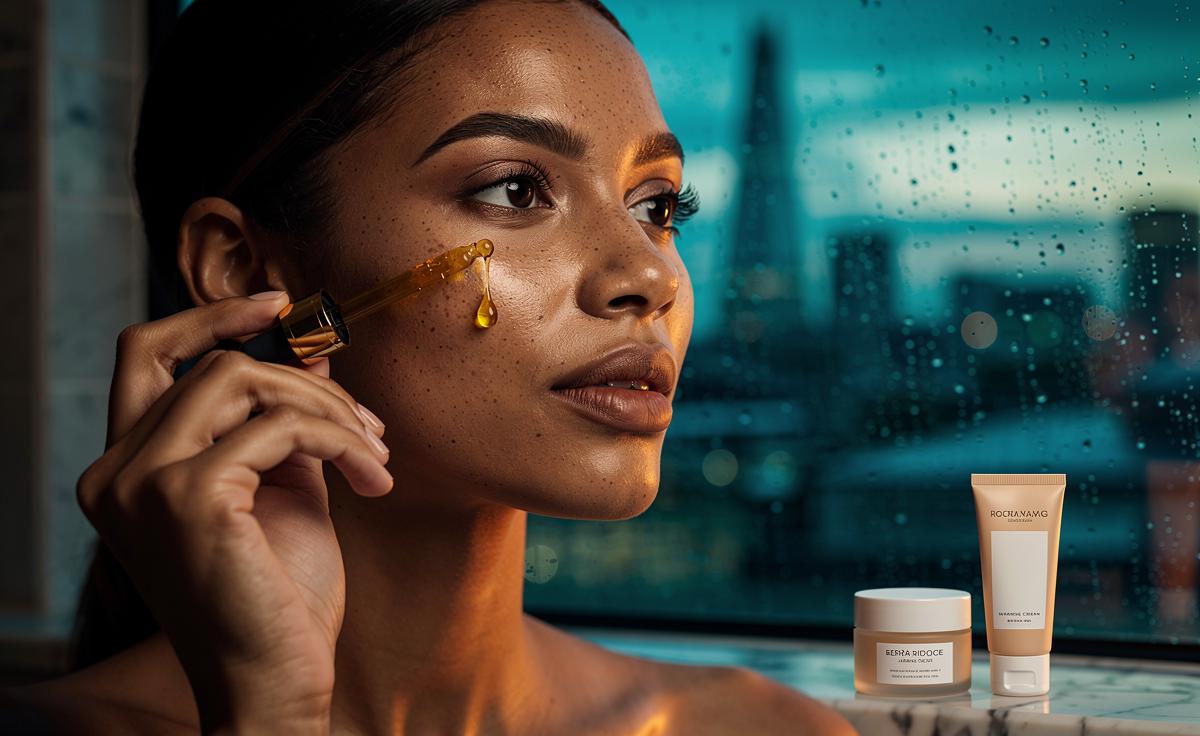
Retinol has moved from niche clinic shelves to mainstream UK bathrooms for a reason: it delivers visible results across ages and skin tones when used well. As a British beauty journalist who has trialled formulas from Boots to Harley Street, I’ve seen how our unique blend of high latitude UV, central-heated winters, and city pollution amplifies the need for a smart vitamin A strategy. Used consistently and patiently, retinol can soften fine lines, even tone, and keep congestion in check. Yet it’s not a race to the highest percentage. The winners are balanced routines, gentle ramps, and daily SPF. Here’s how to make retinol work for UK skin—without the drama.
What Retinol Actually Does for British Skin
Retinol is a cosmetic form of vitamin A that skin enzymes convert into retinoic acid, the active molecule shown in clinical literature to stimulate collagen, speed up cell turnover, and normalise oil flow. In the UK context—where UVA penetrates clouds and windows all year—many of us collect slow-burn sun damage that shows up as mottled tone and fine lines. Retinol methodically targets those concerns, softening photoaging while helping prevent clogged pores from the slick of commute grime and indoor heating. Think of it as your long-game edit tool: small nightly gains that compound into clearer, bouncier skin.
In my winter testing across high street and clinic brands, two patterns stood out. First, readers who paired retinol with a simple barrier-first routine (ceramides, glycerin, cholesterol) reported fewer flakes and stayed the course. Second, pigment-prone complexions—common in diverse British communities—benefited from lower strengths plus niacinamide to reduce irritation, a known trigger for post-inflammatory hyperpigmentation. Retinol is not a spot treatment; it’s a strategy. Sticking to a pea-sized amount for the whole face, applied at night, flips the script from sporadic “miracle” hunting to measurable month-on-month improvement.
Strengths, Forms, and Why ‘More’ Isn’t Always Better
All retinoids are not created equal. Retinol is the best-known over-the-counter option; retinal (retinaldehyde) converts one step closer to retinoic acid and often works faster. Retinyl esters (palmitate, propionate) are gentler but slower. You’ll also meet hydroxypinacolone retinoate (HPR), marketed as “granactive retinoid,” which binds differently and may feel milder for some. Medicines such as tretinoin (prescription) and adapalene (pharmacy medicine in the UK) are potent and should follow medical guidance. The strongest option on paper isn’t “better” if it sidelines you with redness and peeling; consistency beats bravado every time.
Industry practice in Britain commonly keeps face creams and serums at modest strengths (e.g., ≤0.3% retinol) in line with safety opinions, and most successful users start low and step up. Use texture cues too: gels hit faster, lotions and creams buffer more. If your skin skews sensitive or you’re tackling pigmentation, consider retinal at a mid-low strength or a well-formulated retinol with soothing allies like panthenol and beta-glucan. Below is a quick guide you can screenshot before your next pharmacy dash.
| Form | Typical UK OTC Strength | Best For | Texture Clues | Start Frequency |
|---|---|---|---|---|
| Retinol | 0.1–0.3% | General anti-ageing, uneven tone | Serum or cream | 2 nights/week, build to 3–4 |
| Retinal (Retinaldehyde) | 0.05–0.1% | Faster results with moderate tolerance | Emulsion or gel | Every 3rd night, then alternate nights |
| Retinyl Esters | 0.2–1.0% | Very sensitive starters | Cream | 3 nights/week steady |
| HPR (Granactive) | 0.2–2% complex | Low irritation seekers | Serum | Alternate nights, adjust by feel |
Smart Routines: How to Start Retinol in the UK Climate
British skin contends with hard water, brisk winds, and radiators that parch the air. Build a routine that respects that reality. After cleansing, apply a hydrating layer (hyaluronic acid or essence), wait a minute, then smooth a pea-sized retinol across dry skin. Buffer with moisturiser before and after if you’re sensitive—called the “sandwich” method. In Britain’s dim months, your skin still sees UVA through clouds and windows—SPF is non-negotiable. Look for a UVA star rating (four or five stars) and apply generously every morning.
- Do: Patch test behind the ear for several nights; scale from twice weekly to alternate nights over 6–8 weeks.
- Pair: Niacinamide, ceramides, squalane to support the barrier; Vitamin C in the morning for pigment synergy.
- Avoid (initially): Strong AHAs/BHAs, benzoyl peroxide in the same routine; alternate nights if needed.
- Timing: Apply to dry skin; damp skin increases penetration and potential irritation.
- Safety: Retinoids aren’t recommended during pregnancy or when trying to conceive—seek medical advice.
Case note: During last January’s cold snap, I trialled a 0.1% retinal on combination skin, buffering with a ceramide cream and cutting exfoliating acid to once weekly. The payoff? Zero flaking and smoother makeup by week four. That mirrors what readers report: less is more until your barrier adapts—then performance soars.
Pros and Cons, Myths and Real Talk
Retinol’s reputation is earned—but so are the horror stories when routines run hot. A clear-eyed audit helps you stay on track.
- Pros: Improves fine lines and texture; smooths pores’ appearance; supports collagen; normalises oil; backs an evidence-led routine.
- Cons: Irritation risk (redness, dryness); photosensitivity; initial “purge” of microcomedones; requires SPF diligence and patience.
Myth-busting for UK bathrooms:
- “Retinol thins skin.” Not in the way people fear. It can thin the outer stratum corneum (flakiness) while supporting a thicker, healthier dermis over time.
- “You can’t use it in summer.” You can—with vigilant SPF and hats. Stopping every spring erases gains.
- “Higher percentage is better.” Only if your skin tolerates it. Progress beats potency.
- “Not for skin of colour.” It is—start gently, pair with barrier care, and prioritise anti-inflammatory allies to minimise PIH.
- “Eye area is off-limits.” Fragile, yes—but many benefit from cautious use or eye-specific formulas, introduced last.
If you’re navigating acne, UK pharmacists can advise on adapalene-based medicines, while prescription retinoids remain under clinician care. For strictly cosmetic goals, a steady OTC retinol or retinal, a kind cleanser, rich moisturiser, and daily sunscreen form a British-proof plan. Your skin doesn’t need a 10-step ritual; it needs consistency.
Retinol earns its must-have status in UK skincare because it meets our climate, lifestyle, and long-term goals with measurable results—provided we respect the learning curve. Start low, build slow, and make SPF your morning mantra. Across ages and tones, it’s the quiet workhorse that keeps pace with our weather and our schedules. Ready to tailor your own vitamin A playbook—what strength, what texture, and what support act will you choose for the next eight weeks?
Did you like it?4.3/5 (27)